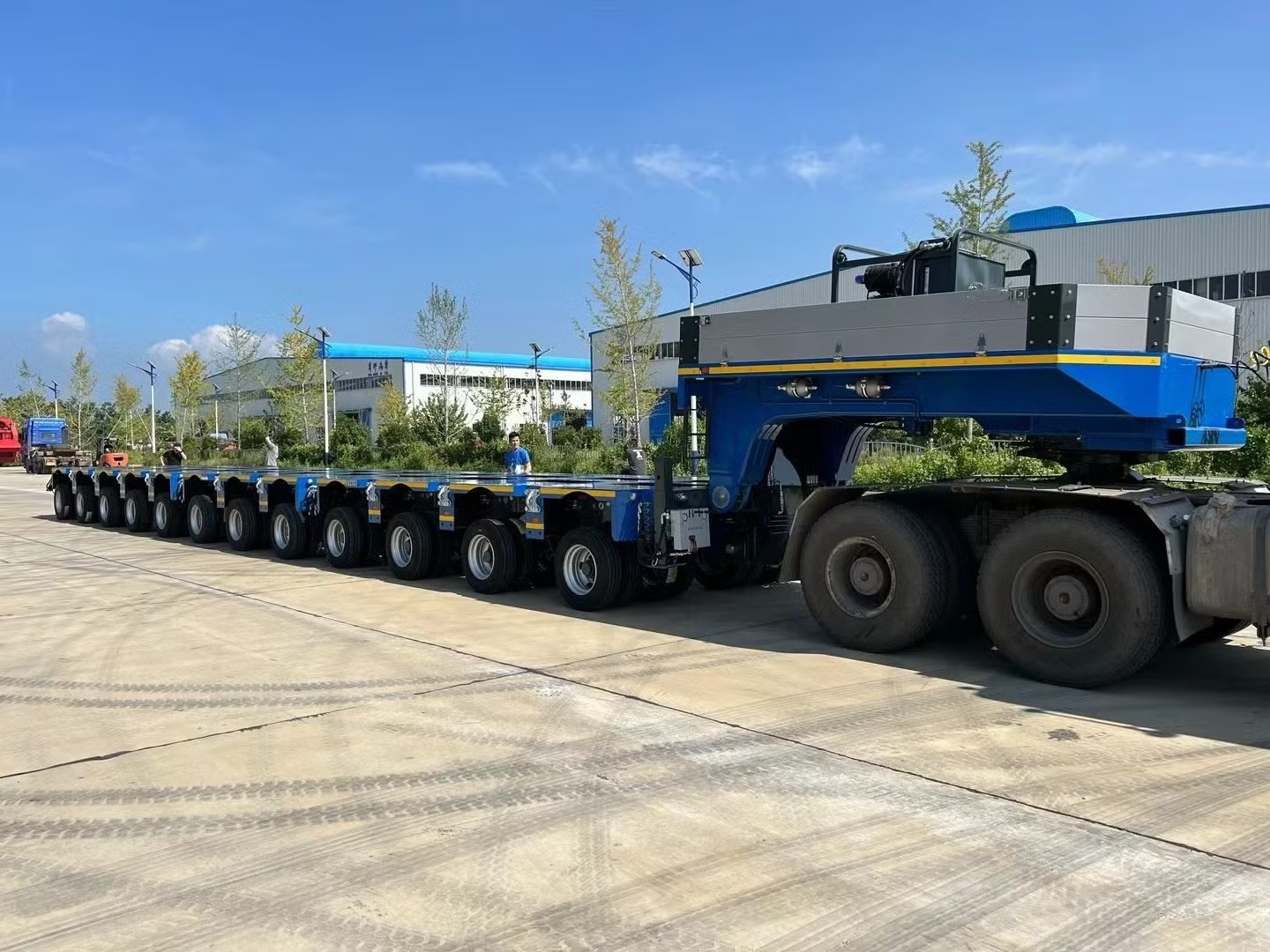
Moving more freight efficiently places significant demands on the equipment underneath a trailer. In New Zealand, multi-axle combinations are used across applications ranging from bulk transport and construction materials to general freight and specialised heavy haulage.
For these vehicles, selecting the right trailer axles involves balancing payload, weight distribution, manoeuvrability and long-term operating efficiency.
More Axles, More to Consider
Adding axles can help distribute the load across a trailer, but simply increasing the axle count does not automatically create an effective configuration.
Axle spacing, suspension design, trailer dimensions and expected loading all influence how weight is distributed. The complete vehicle combination must also be designed around applicable New Zealand mass, dimension and operating requirements.
For fleets focused on high-productivity transport, the goal is to build a trailer configuration that can carry its intended payload efficiently without creating unnecessary weight or complexity.
Every Kilogram Has a Job
Tare weight matters when payload efficiency is a priority. Weight added to the trailer itself reduces the capacity available for freight within the vehicle’s permitted operating limits.
This makes axle system weight one consideration when specifying trailer axles for high-productivity applications.
The lightest component is not automatically the best choice, however. Axle selection also needs to account for durability, braking requirements, operating conditions and the expected lifecycle of the trailer.
The objective is to find the right balance between low tare weight and the strength required for demanding commercial work.
Turning Changes the Equation
Long trailers and multiple axles introduce another challenge: manoeuvrability.
When several fixed axles travel through a tight turn, tyres can be forced sideways across the road surface rather than following the direction of travel naturally. This tyre scrub can contribute to tyre wear and create additional resistance.
For applications involving frequent tight turns, urban deliveries, yards or constrained loading areas, steerable axle configurations may be worth considering.
The appropriate solution depends on the trailer configuration, route and operating environment rather than axle count alone.
Think Beyond Purchase Price
High-productivity vehicles are typically expected to work hard. Downtime, tyre replacement and maintenance can therefore have a significant effect on whole-of-life operating costs.
Axle specification should take servicing requirements, parts availability and ease of maintenance into account alongside initial purchase cost.
Regular alignment checks are also important. Uneven tyre wear, trailer pull or abnormal handling can indicate that the axle or suspension system requires attention.
Match the Axle to the Application
A bulk tipper, tanker, flat deck and general freight trailer can all place different demands on an axle system. That is why trailer axles should be selected around the application rather than using one standard configuration across every trailer.
For New Zealand operators, the strongest approach is to consider payload targets, operating routes, trailer geometry, manoeuvrability and maintenance together.
When those factors are considered from the beginning, a multi-axle trailer can be configured to support productive freight movement while delivering the durability and operating efficiency expected from modern heavy transport equipment.