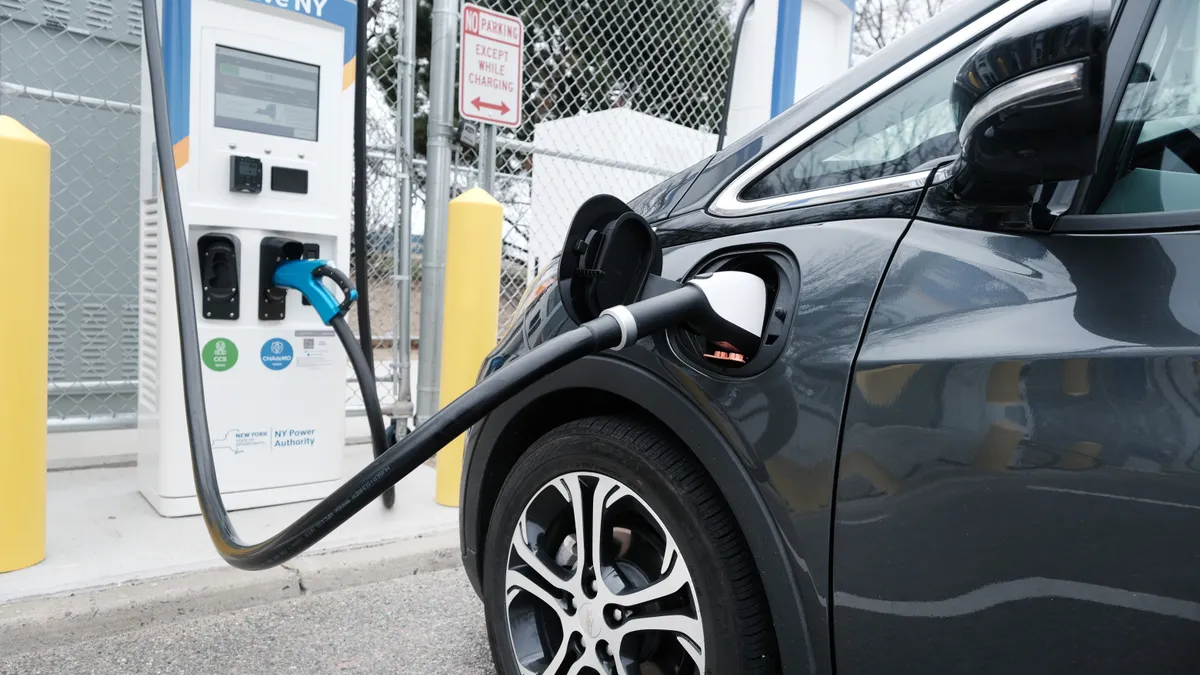
As India’s urban centres grow rapidly, the conversation around sustainable mobility has shifted from innovation to necessity. At the core of this transformation lies the need for robust public EV charging networks a critical enabler for the rise of electric vehicles in smart cities.
Modern smart cities are more than just digitised grids and IoT-powered traffic lights. They are evolving ecosystems that demand reliable and accessible public electric vehicle charging stations to reduce emissions and dependency on fossil fuels. From metro parking lots to commercial hubs, these public EV charging networks are being installed across prime locations to ensure every EV driver has access to seamless charging, anytime, anywhere.
One of the biggest advantages of public electric vehicle charging stations is their role in democratising EV access. While private charging remains a luxury for those with personal garages, public EV charging networks offer a lifeline for apartment dwellers, renters, and commercial vehicle drivers who rely on shared infrastructure. These stations are becoming integral parts of city planning and real estate developments.
The integration of public EV charging networks with mobile apps and digital payment systems also aligns with smart city ambitions. Real-time availability, booking slots, and remote monitoring enhance the user experience and reduce charging anxiety—a key hurdle in EV adoption. Moreover, public-private partnerships are fuelling this growth, allowing municipalities to scale public electric vehicle charging stations without shouldering the cost alone.
What sets successful public EV charging networks apart is not just infrastructure, but intelligence. Smart load balancing, renewable integration, and predictive maintenance are features now being built into advanced public electric vehicle charging stations, making them resilient and efficient.
As EV sales surge and urban lifestyles evolve, smart cities must continue to invest in expanding and optimising public EV charging networks. Doing so is not just good for sustainability – it’s essential for the future of inclusive, tech-forward urban mobility.