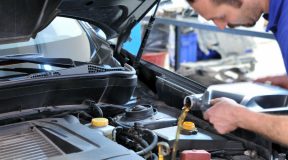
The modern automobile is essentially a highly sophisticated computer network wrapped in steel and aluminum. Decades ago, automotive mechanics relied almost exclusively on sensory cues to troubleshoot propulsion issues. A sharp ear could identify a loose valve tap, an experienced eye could detect the subtle coloration of exhaust smoke, and a keen sense of smell could differentiate between burning engine oil and leaking transmission fluid. While these fundamental mechanical observation skills remain valuable, they are no longer sufficient on their own.
Decoding the Onboard Diagnostic Architecture
To understand how a diagnostic check minimizes your financial liabilities, it is important to understand what happens beneath the surface when your vehicle encounters an operational error.
Every vehicle manufactured for the consumer market over the past few decades features an Onboard Diagnostics system, commonly referred to as OBD-II. This network acts as the central nervous system of the vehicle. A myriad of specialized sensors continuously monitors vital performance metrics, including engine temperature, air-to-fuel ratios, exhaust gas composition, crankshaft positioning, and fuel injection timing.
When a sensor registers a reading that falls outside of strictly engineered operational parameters, the central engine control unit responds. It illuminates the check engine light on your dashboard and records a specific Diagnostic Trouble Code within its internal memory. This code functions as an initial clue. However, a common misconception is that the code tells the mechanic exactly which part to replace. In reality, the code simply identifies a malfunctioning system or circuit, acting as the starting point for a comprehensive, multi-layered diagnostic investigation.
Eliminating the Wasteful Part-Swapping Guesswork
The most immediate financial benefit of a formal diagnostic car service is the eradication of blind troubleshooting. Without computerized diagnostic equipment, mechanics are occasionally forced to engage in a costly, experimental practice known as part-swapping.
The Problem with Random Part Replacement
When a vehicle exhibits a broad, ambiguous symptom—such as an engine misfire, a rough idle, or a sudden loss of acceleration power—dozens of distinct mechanical and electrical components could be the root cause. For example, a rough engine idle could stem from worn spark plugs, a failing ignition coil, a clogged fuel injector, a faulty mass airflow sensor, or a subtle vacuum leak in the intake manifold.
An unequipped or hasty repair technician might suggest replacing the spark plugs first. If the problem persists, they might move on to replacing the ignition coils, followed by the fuel injectors. By the time the true culprit is finally isolated, the vehicle owner has paid for several hours of redundant mechanical labor and an assortment of expensive, perfectly functional auto parts that did not need to be replaced.
The Targeted Precision of True Diagnostics
A comprehensive diagnostic service combines code retrieval with live telemetry data analysis, electrical circuit testing, and mechanical pressure verifications. By analyzing data streams in real time, a skilled technician can observe how individual components interact under active load conditions. They can pinpoint the exact source of an electrical short, a torn vacuum diaphragm, or a failing solenoid within minutes. This data-driven precision ensures that the repair plan targets the definitive point of failure on the first attempt, saving you from a mounting tally of experimental parts and labor fees.
Catching Minor Sensor Failures Before They Destroy Major Components
Complex internal combustion engines are delicate ecosystems where the performance of one low-cost component directly influences the structural survival of highly expensive internal assemblies. A minor electrical variance, if left unaddressed, can initiate a destructive chain reaction.
-
Preventing Catalytic Converter Melt Down: A faulty oxygen sensor or mass airflow sensor can trick the engine control unit into delivering too much fuel into the combustion chambers. This scenario is known as running rich. The unburnt excess fuel eventually escapes into the exhaust system, where it ignites inside the delicate ceramic honeycomb structure of the catalytic converter. This causes extreme overheating and thermal meltdown. Replacing a basic sensor is relatively cheap, whereas replacing a ruined catalytic converter can cost thousands of dollars.
-
Averting Terminal Cylinder Wall Scuffing: If a cooling system sensor fails or an engine knock sensor stops regulating timing adjustments, the engine can experience pre-ignition or severe localized overheating. Over time, this thermal stress distorts piston rings and degrades the lubrication boundary layer provided by the engine oil. The resulting metal-on-metal friction can score the cylinder walls beyond repair, necessitating a complete block replacement or a highly expensive engine rebuild.
Maximizing Every Drop of Fuel: The Operational Savings
The financial rewards of a diagnostic service are not limited to avoiding catastrophic garage bills; they also manifest as immediate, ongoing savings at the fuel pump.
When an automotive engine control unit is deprived of accurate data due to a drifting or corrupted sensor, it frequently enters a conservative operational strategy known as “limp mode” or “open-loop” management. In this state, the computer stops attempting to optimize fuel efficiency. Instead, it prioritizes keeping the engine running safely by injecting a safe, overly rich fuel mixture and retarding ignition timing.
This operational shift can degrade your fuel economy by up to twenty or thirty percent. Because open-loop operation does not always trigger a flashing, immediate warning on the dashboard, a vehicle owner might continue driving for months while wasting hundreds of dollars on excessive fuel consumption. A routine diagnostic scan captures these subtle performance drops, allowing technicians to restore optimal factory fuel map calibrations and maximize your miles per gallon.
Preserving Long-Term Vehicle Resale and Equity
For most people, a personal vehicle represents one of their most significant financial investments. Maintaining clear, verifiable records of routine computerized health checks protects that equity.
When the time arrives to trade in your automobile at a dealership or list it for sale on the private peer-to-peer marketplace, a fully documented service history that includes routine diagnostic scans serves as powerful proof of meticulous maintenance. It reassures prospective buyers that hidden electronic issues or internal engine vulnerabilities are non-existent, allowing you to command a premium resale price and close the transaction with absolute confidence.
Frequently Asked Questions
Can a basic handheld code reader from an auto parts store replace a professional shop diagnostic?
No, a basic code reader cannot replicate a professional diagnostic service. Cheap over-the-counter scanners can only read generic trouble codes, which indicate that a fault exists within a general system. They cannot display advanced live data streams, perform directional component activation tests, check proprietary manufacturer modules, or analyze underlying electrical waveforms. A professional diagnostic service uses advanced multi-thousand-dollar oscilloscopes and diagnostic platforms to identify the true cause of the code, rather than just reading the code itself.
How long does a standard professional automotive diagnostic service take to complete?
A standard diagnostic evaluation typically takes between one to two hours. This timeframe can expand if the vehicle is suffering from an intermittent electrical problem or an ambiguous wiring harness issue. The process involves more than just plugging in a computer; the technician must read the codes, analyze live operational data, road-test the vehicle, and perform manual physical testing under the hood to verify the electronic findings.
Will a diagnostic scan reveal if a pre-owned vehicle has had its dashboard warning lights intentionally disabled?
Yes, a professional diagnostic tool accesses the engine control unit directly and will instantly reveal any active system faults, even if someone has physically removed or taped over the check engine bulb in the dashboard cluster. Additionally, the scanner can check the readiness monitors to see if the vehicle’s diagnostic codes were cleared recently to hide an ongoing mechanical failure from a prospective buyer.
Why do repair shops charge a diagnostic fee even if I choose not to have the repair performed there?
The diagnostic fee covers the technician’s specialized expertise, labor time, and the expensive diagnostic machinery required to accurately isolate a problem. Safely tracing a complex electrical or mechanical issue requires significant training. Charging for this service ensures the shop is compensated for the diagnostic work performed, regardless of where the customer chooses to buy the replacement parts or execute the physical repair.
Can an engine have internal mechanical issues even if the check engine light is turned off?
Yes, certain physical component failures do not register on the electronic control module. Mechanical issues like worn engine bearings, a cracked serpentine accessory belt, a leaking radiator hose, or physical structural rust do not have direct electronic sensors attached to them. A comprehensive diagnostic service often pairs computerized scanning with a physical inspection to capture these manual wear items.
What is the difference between a generic trouble code and a manufacturer-specific diagnostic code?
Generic trouble codes are standardized across all makes and vehicles to comply with federal emissions laws. They cover basic engine and emissions systems. Manufacturer-specific codes are unique to individual automotive brands. They monitor complex, proprietary technologies like advanced variable valve timing mechanisms, specialized all-wheel-drive transfer cases, and intricate cabin comfort climate control networks that standard generic scanners cannot access.
How often should a car undergo a preventative diagnostic check if the check engine light is not on?
It is wise to request a preventative diagnostic scan once a year, or during your standard tire rotation and brake service intervals. Many evolving engine anomalies, such as a slowly degrading oxygen sensor or a minor evaporative emissions leak, start as pending codes. These pending codes remain hidden in the computer’s memory without illuminating the dashboard light until the fault repeats a specific number of times. Catching them early prevents future road breakdowns.