Dropping your vehicle off for a routine oil change or a basic brake inspection is a standard part of responsible vehicle ownership. You plan your day around a brief stay at the repair facility, expecting to pick up your keys and continue your week with minimal disruption to your budget. However, this routine scenario can take an incredibly stressful turn when the service advisor calls with unexpected news. During their multi-point safety inspection, the technician discovered a severe, unanticipated component failure, such as a leaking steering rack, a cracked suspension control arm, or a blown head gasket.
Receiving a surprise repair estimate that runs into hundreds or thousands of dollars naturally triggers anxiety and defensiveness. It is easy to feel vulnerable, wondering if the repair facility is inflating the issue or capitalizing on your lack of mechanical knowledge. Navigating this high-pressure situation requires a calm, structured approach. By knowing the right questions to ask, understanding how to verify the diagnosis, and learning how to prioritize repairs, you can protect both your wallet and your safety on the road.
Step 1: Request a Clear, Detailed Technical Explanation
When a service advisor presents an unexpected failure, do not immediately approve or deny the work. Your first objective is to gather precise, data-driven information regarding the issue. Reputable modern repair shops utilize digital vehicle inspections, which provide comprehensive evidence of their findings.
-
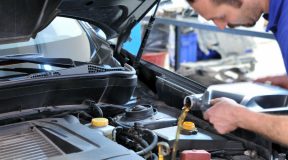
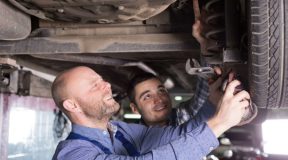
Ask for Photographic and Video Evidence: Request that the shop send high-resolution digital photos or video clips of the failed component. A torn rubber CV boot leaking grease, a heavily corroded brake line, or a worn suspension bushing can easily be captured on camera. If you are physically present at the shop, ask the advisor if the technician can show you the component while the vehicle is still raised on the hydraulic lift.
-
Identify the Specific Diagnostic Trouble Codes: If the unexpected failure involves an electronic sensor, emissions component, or engine management system, ask for the exact diagnostic trouble codes pulled from the vehicle’s onboard computer network. Write these codes down, as they provide an objective, unalterable record of what the vehicle’s internal sensors are experiencing.
-
Determine the Precise Definition of Failure: Ask the advisor to clarify exactly what failed. Is the component physically broken, severely worn past factory safety tolerances, or simply showing early signs of aging? Understanding the exact state of the part helps you determine how quickly you need to act.
Step 2: Categorize the Repair by Urgency and Safety Risk
Not all mechanical failures carry the same level of risk. An unexpected issue generally falls into one of three distinct categories. Segmenting the repair estimate into these tiers allows you to manage your financial resources effectively without putting your safety at risk.
Category 1: Immediate Safety and Environmental Hazards
This category demands immediate attention before the vehicle is driven back onto public roadways. Failures in this tier pose an imminent threat to your control of the vehicle or threaten to cause catastrophic, irreversible engine damage. Examples include heavily worn brake pads that are down to bare metal, a severely cracked serpentine belt on the verge of snapping, a leaking fuel line, or a broken steering linkage component. If you decline these repairs, the shop may ask you to sign a liability waiver before releasing the vehicle, as operating it would be highly dangerous.
Category 2: Pressing Operational Issues
Components in this category are actively failing or compromised, but they do not pose an immediate danger of a total road breakdown or an accident during your drive home. Examples include a failing air conditioning compressor, a worn wheel bearing that has just started to hum, a minor engine oil seepage from a valve cover gasket, or a degraded oxygen sensor. These repairs need to be scheduled and executed within days or weeks to prevent the issue from cascading into more expensive secondary damage.
Category 3: Preventative and Deferred Maintenance Items
Repair facilities often list items that are approaching the end of their engineered lifespan but have not yet structurally failed. This includes routine fluid flushes, aging cabin air filters, or spark plug replacements based strictly on your vehicle’s current mileage interval. These items are excellent candidates for deferral if your current budget cannot accommodate them alongside an unexpected emergency repair.
Step 3: Evaluate Financial Options and Seek a Second Opinion
Once you have a clear picture of the necessary repairs and their urgency, you can evaluate your logistical and financial options.
Verify Warranty and Extended Coverage Eligibility
Before agreeing to pay out of pocket, check the age and mileage thresholds of your vehicle against any active warranty coverage. If you purchased the car recently, it may still be covered under the original manufacturer’s bumper-to-bumper or powertrain warranty. Furthermore, if you possess a third-party extended service contract, contact the warranty provider immediately to see if the failed component qualifies for coverage before the shop initiates teardown labor.
Consider a Second Opinion for High-Cost Repairs
If the estimated repair cost is exceptionally high and the vehicle is still safe to operate for short distances, there is absolutely nothing wrong with seeking a second opinion. Pay the initial shop their standard diagnostic or inspection fee, request a printout of the written estimate, and drive or tow the vehicle to an independent, certified repair facility. Comparing written quotes from different shops can highlight discrepancies in labor times, parts markups, or diagnostic interpretations, often saving you substantial amounts of money.
Review Part Options: OEM vs. Aftermarket
If you decide to proceed with the repair at the current shop, ask the service advisor if they can source high-quality aftermarket components instead of Original Equipment Manufacturer parts. While critical engine internal assemblies and complex electronic modules are best replaced with OEM parts, items like suspension components, radiators, brake rotors, and exhaust elements often have highly reliable aftermarket alternatives that cost significantly less than factory options.
Step 4: Establish Clear Communication Boundaries
If you authorize the repair work, establish strict communication boundaries with the service advisor to prevent further financial surprises when you receive the final invoice.
Inform the advisor explicitly that they are authorized to perform only the specific, agreed-upon repairs at the stated price. Instruct them that if the technician encounters additional complications or discovers a secondary broken part during the teardown process, they must halt all labor and call you to obtain secondary verbal or written authorization before proceeding. Most states have consumer protection laws that prohibit auto repair shops from exceeding a written estimate by more than a small percentage without direct consumer consent.
Frequently Asked Questions
Can a repair shop legally refuse to let me drive my car away if it has a dangerous mechanical failure?
No, a repair shop cannot legally impound your vehicle or refuse to return your keys simply because it failed a safety inspection, provided you have paid for any diagnostic or inspection labor performed. The vehicle remains your personal property. However, if the vehicle is deemed completely unsafe for public roads, the shop may strongly recommend towing it rather than driving it, and they will likely require you to sign a formal release form acknowledging that you were warned of the severe safety risks.
What should I do if the shop claims a part failed, but my car is driving perfectly normally?
Many severe automotive failures do not immediately alter the subjective feel of the vehicle from the driver’s seat. For instance, a cracked rubber suspension bushing, a leaking strut, or an early-stage water pump leak might not cause noticeable noise or performance loss right away. This is why requesting photographic or video evidence is vital. Seeing the fluid leak or physical component cracking yourself confirms the diagnosis even if the vehicle still feels smooth on the road.
Why do different auto repair shops charge vastly different labor rates for the exact same repair?
Labor rates vary based on a shop’s specific business model, geographic location, overhead costs, and technician certifications. Independent, family-owned repair shops generally have lower overhead costs than large, franchise dealerships and can offer more competitive hourly rates. Additionally, dealerships employ factory-trained specialists and utilize proprietary diagnostic software designed exclusively for their specific vehicle brand, which factors into their premium pricing tier.
Is it acceptable to buy my own auto parts online and ask a repair shop to install them?
Most professional automotive repair shops maintain a strict policy against installing customer-supplied parts. Repair facilities rely on a margin from parts sourcing to sustain their operations, but more importantly, they cannot verify the quality, fitment, or authenticity of parts purchased independently online. If a customer-supplied part fails prematurely, it creates complex warranty disputes regarding whether the part was defective or the labor was flawed.
How can I verify if an unexpected repair recommendation is actually part of a manufacturer recall?
If a service advisor reveals a major component failure, you can check if the issue is covered under an active safety recall or a manufacturer technical service bulletin. Visit the official National Highway Traffic Safety Administration website and input your vehicle’s unique seventeen-digit vehicle identification number. If the component failure matches an open recall, a factory dealership must repair the issue free of charge.
What is a mechanic’s lien, and when can a shop place one on my vehicle?
A mechanic’s lien is a legal claim that an auto repair shop can file against your vehicle’s title if you refuse to pay for authorized repairs or diagnostic services performed on the vehicle. This lien prevents you from selling the vehicle or transferring the title until the debt is fully settled. It is important to note that a shop can only execute a lien for work that you actively authorized; they cannot legally charge you for random repairs performed without your explicit consent.