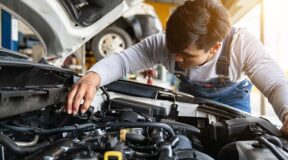
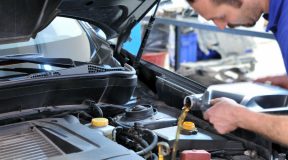
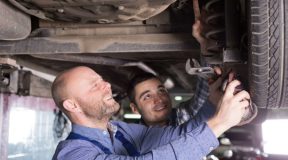
Cars are often regarded as modern-day marvels of engineering, designed to provide convenience, comfort, and safety. Yet, as with any complex machine, they require regular care and attention to maintain peak performance. Car repair is an essential aspect of vehicle ownership that goes beyond mere fixes for mechanical issues. It encompasses everything from routine maintenance to complex repairs that ensure your car continues to run smoothly for years to come. While many car owners are familiar with basic car maintenance, the realm of auto repair involves a deeper understanding of vehicle systems, diagnostic tools, and the skillful craftsmanship that makes the difference between a reliable vehicle and one that struggles on the road. In this article, we’ll explore the multifaceted world of car repair, discussing its importance, common issues, and how to choose the right repair service.
The Importance of Regular Car Maintenance and Repair
One of the most significant aspects of car ownership is ensuring that your vehicle is in good working order. Regular car repair and maintenance are not only vital for extending the lifespan of your vehicle but also for ensuring safety and efficiency. Neglecting regular repairs or attempting to delay necessary fixes can lead to far more significant, often costly issues down the road. For example, failing to replace worn-out brake pads can result in more extensive damage to the braking system, requiring expensive replacements of rotors or calipers.
Moreover, routine maintenance is integral to maintaining a car’s fuel efficiency. Tasks such as changing the oil, replacing air filters, and ensuring tire pressure is optimal all contribute to the smooth operation of your car. When these components aren’t properly cared for, your vehicle’s performance may decline, causing higher fuel consumption and unnecessary strain on its engine.
Another reason to stay on top of car repairs is to preserve the vehicle’s resale value. Regularly maintained cars that have been properly cared for are more likely to hold their value over time. Buyers are often wary of purchasing a used car with a questionable maintenance history, which is why keeping records of repairs and services can pay off if you plan to sell or trade in your car.
Common Car Repair Issues and Their Solutions
Car repair can encompass a wide range of issues, from minor inconveniences to major mechanical failures. Understanding some of the most common problems that vehicles face can help owners identify early warning signs and address issues before they escalate.
1. Engine Problems
The engine is the heart of any vehicle, and when it experiences problems, it can be a cause for significant concern. Common engine issues include overheating, poor fuel efficiency, and misfires. Overheating can be caused by a variety of factors, including low coolant levels, a faulty radiator, or a malfunctioning thermostat. Misfires, on the other hand, may occur due to issues with the spark plugs, fuel injectors, or ignition system.
The key to resolving engine issues is timely diagnosis and repair. When an engine warning light appears on the dashboard, it’s essential to take the vehicle to a professional mechanic as soon as possible. A mechanic can use diagnostic tools to identify the root cause of the problem, preventing further damage and costly repairs.
2. Transmission Troubles
A malfunctioning transmission is one of the more serious issues a car owner can face. Transmission problems may manifest as slipping gears, difficulty shifting, or strange noises while driving. These issues are often linked to low transmission fluid, a worn-out clutch, or a failing torque converter. In some cases, transmission repairs can be costly, so early intervention is crucial.
If you notice any signs of transmission trouble, such as delayed shifting or unusual sounds, it’s essential to have the transmission fluid checked and replaced if necessary. Regular maintenance, including fluid changes and inspections, can help prevent transmission failure.
3. Brake System Failures
Brakes are one of the most critical components of any vehicle, and problems with the braking system should never be ignored. Common issues include worn brake pads, low brake fluid, or issues with the brake rotor. If you hear squealing or grinding noises when applying the brakes, it’s a clear sign that the brake pads need to be replaced.
In addition to brake pads, the brake lines and master cylinder should be regularly inspected. Leaking brake fluid or air in the brake lines can cause the brakes to feel soft or unresponsive, which can significantly compromise safety.
4. Electrical and Battery Issues
Modern cars rely heavily on electrical systems to power everything from the engine to the infotainment system. Problems with the battery, alternator, or starter motor can cause a variety of issues, including difficulty starting the car, dimming headlights, or malfunctioning electrical accessories.
The battery is often the first place to look when experiencing electrical problems. A dead or weak battery can cause a host of issues, but replacing it is a simple fix. If the battery is fine, the alternator may need to be tested to ensure it is charging the battery correctly.
5. Suspension and Steering Problems
The suspension system of a car plays a vital role in ensuring a smooth and stable ride. Over time, components such as shocks, struts, and springs can wear out or become damaged, resulting in a bumpy ride, poor handling, or a noticeable decline in ride comfort.
Problems with the steering system, such as difficulty turning the wheel or a loose steering feel, can indicate issues with the power steering fluid or the steering rack. Regularly inspecting these components can help maintain a safe and comfortable driving experience.
DIY vs. Professional Car Repair: When to Seek Help
While there are many basic car maintenance tasks that can be performed by the owner, such as checking tire pressure, changing the oil, or replacing air filters, more complex repairs should always be left to the professionals. Diagnosing and repairing issues such as engine failure, transmission problems, or electrical malfunctions require specialized knowledge, tools, and experience.
Attempting to repair these issues without the proper expertise can lead to further damage or even jeopardize your safety. Mechanics are trained to understand the intricacies of a vehicle’s systems, and they have access to diagnostic equipment that can quickly pinpoint the issue.
Choosing the Right Car Repair Service
When selecting a repair shop, it’s important to find a reputable and experienced mechanic who understands your vehicle’s specific needs. Here are a few tips to ensure you make an informed choice:
-
Research and Reviews: Look for reviews and testimonials from previous customers. Word of mouth is often the best way to gauge a repair shop’s reliability and quality of service.
-
Certifications and Qualifications: A certified mechanic (such as those with ASE certification) demonstrates a high level of expertise and commitment to quality service.
-
Transparency and Communication: A trustworthy mechanic should be transparent about the repairs needed, provide clear estimates, and communicate the repair process clearly.
-
Warranty on Repairs: A reputable shop should offer a warranty on their work, giving you peace of mind knowing that the job was done right.
Conclusion: The Vital Role of Car Repair in Vehicle Longevity
Car repair is not just about fixing a broken part; it’s about maintaining the integrity and safety of a vehicle. Regular repairs and maintenance can prevent costly breakdowns, improve fuel efficiency, and ensure that your car continues to perform at its best. Whether you’re addressing minor issues or major repairs, choosing the right professional service and staying on top of your vehicle’s needs is essential for maximizing its lifespan and keeping it running smoothly for years to come.