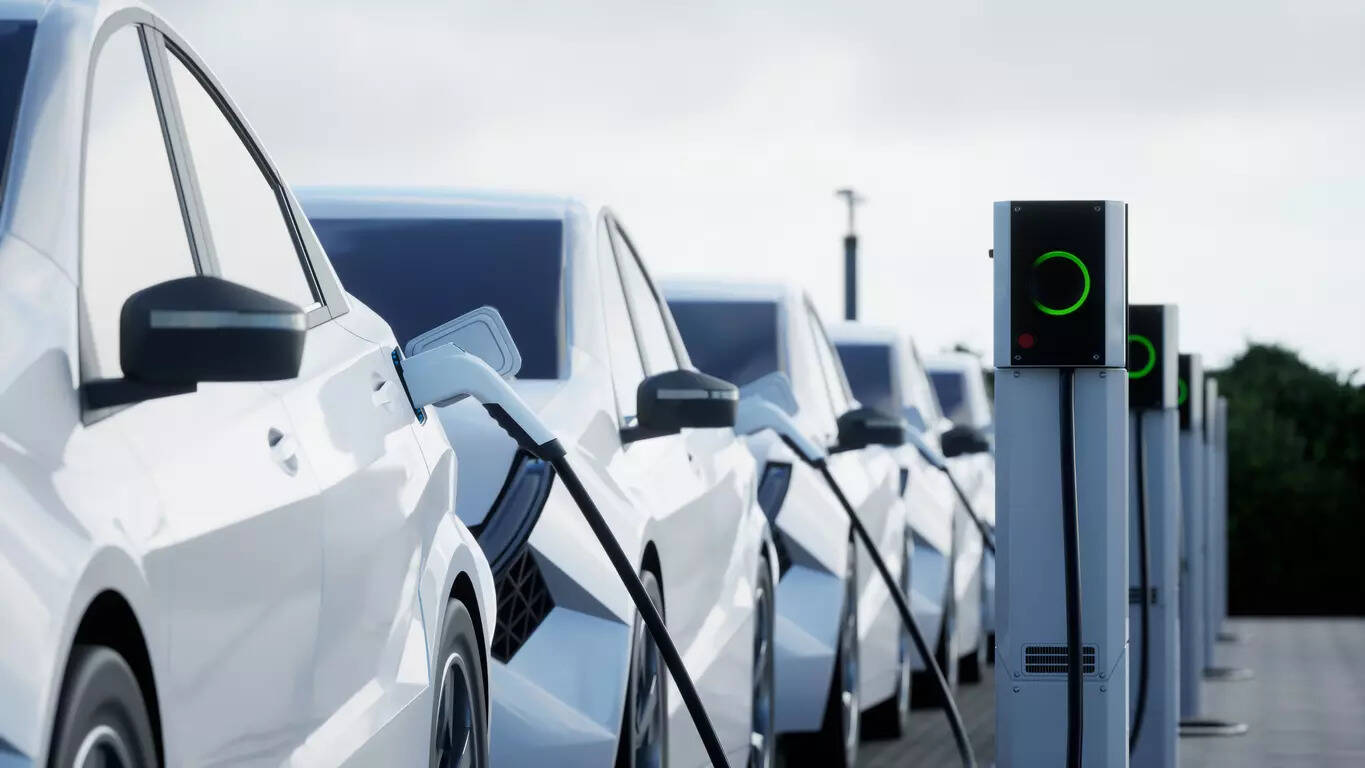
The momentum toward electric transport is sustained by a combination of government policy, consumer demand, and corporate strategy. This alignment has accelerated development, turning what was once a premium technology niche into a mainstream automotive market.
Several distinct pillars drive this widespread adoption:
-
Regulatory Frameworks and Mandates: Governments worldwide have established strict emissions standards and explicit timelines to phase out the sale of new internal combustion vehicles. These legal mandates force legacy automakers to pivot their entire research and development budgets toward electrification to avoid steep financial penalties.
-
Corporate Sustainability Commitments: Major global automakers have pledged to achieve complete carbon neutrality across their production cycles. These promises have led to multi-billion-dollar investments in dedicated electric platforms, solidifying electrification as the primary long-term corporate strategy.
-
Declining Battery Production Costs: The cost of manufacturing lithium-ion battery packs has dropped substantially over the past decade. This economic shift allows manufacturers to produce electric vehicles with greater range at price points that compete directly with conventional gasoline-powered automobiles.
As these factors intersect, the variety of electric models available to consumers has expanded rapidly. Buyers are no longer restricted to compact compliance cars or ultra-luxury sedans. The market now features electric options across every major vehicle segment, including pickup trucks, family crossover vehicles, and delivery vans.
Overcoming Infrastructure and Charging Challenges
For electric vehicles to completely replace internal combustion engines, public charging infrastructure must match the convenience and speed of traditional gas stations. Navigating the shift toward electric power requires addressing the physical and logistical hurdles of distributing energy on a massive scale.
The current charging landscape divides into three primary categories, each serving a distinct consumer need:
-
Level 1 Charging: This method utilizes a standard 120-volt household outlet. While highly accessible, it provides the slowest charging speeds, typically adding three to five miles of range per hour, making it practical only for overnight replenishment or short daily commutes.
-
Level 2 Charging: Operating on a 240-volt circuit, similar to a residential clothes dryer, Level 2 stations can fully charge an electric vehicle in four to eight hours. These units are commonly installed in residential garages, workplaces, and public shopping centers.
-
Direct Current Fast Charging: Often referred to as Level 3 charging, these high-power stations bypass the vehicle’s onboard charger to deliver direct current straight to the battery pack. Fast chargers can replenish a battery to eighty percent capacity in fifteen to thirty minutes, serving as the backbone for long-distance highway travel.
Expanding the reach of fast-charging networks remains a primary objective for both private companies and public utilities. Ensuring equitable access to charging stations is particularly critical in dense urban areas, where multi-family apartment complexes and street-side parking lack dedicated electrical hookups. Without robust, visible, and reliable public charging networks, mainstream buyers may experience hesitation, commonly known as range anxiety, which slows adoption rates.
Battery Technology and Material Supply Chains
The heart of any electric vehicle lies within its battery pack, making battery technology a focal point of intense geopolitical and scientific competition. The current generation of electric cars relies heavily on lithium-ion chemistry, utilizing materials such as cobalt, nickel, manganese, and lithium.
Securing a stable, ethical, and localized supply chain for these raw materials has become a paramount concern for automakers. The mining and refining of these minerals are often concentrated in a few specific regions, presenting significant supply chain vulnerabilities. Political instability, trade disputes, or shipping bottlenecks can instantly disrupt vehicle production schedules.
To mitigate these risks, researchers are aggressively pursuing alternative chemistry options. Solid-state batteries represent one of the most anticipated breakthroughs in engineering. By replacing the liquid electrolyte found in traditional batteries with a solid material, these next-generation packs promise significantly higher energy density, faster charging capabilities, and enhanced thermal safety. Additionally, automakers are investing heavily in closed-loop battery recycling programs. Extracting valuable metals from decommissioned electric cars allows the industry to reduce its reliance on raw mining operations, creating a more sustainable and circular manufacturing ecosystem.
The Financial Reality of Electric Vehicle Ownership
While the initial purchase price of an electric vehicle can often be higher than an equivalent gasoline model, evaluating the total cost of ownership reveals a completely different financial dynamic. Electric drivetrains contain a fraction of the moving parts found in internal combustion engines, eliminating the need for oil changes, spark plug replacements, timing belt adjustments, and complex transmission services.
Furthermore, electric vehicles benefit from regenerative braking systems. This technology captures the kinetic energy generated during deceleration and converts it back into electricity to recharge the battery, significantly reducing wear on mechanical brake pads and rotors. Over the lifespan of the vehicle, these reduced maintenance requirements can translate into thousands of dollars in direct savings for the owner.
Fuel costs provide another clear financial distinction. On a per-mile basis, electricity is historically cheaper and less volatile than petroleum or diesel. Drivers who can charge their vehicles at home during off-peak hours can realize substantial savings on their monthly energy expenses. However, potential buyers must also account for secondary financial variables, such as higher initial insurance premiums due to specialized repair costs, and the potential accelerated wear on tires caused by the instant torque and heavier curb weight of electric platforms.
Grid Integration and Environmental Implications
A common point of discussion surrounding the electric transition centers on the capacity and cleanliness of the electrical grid. Skeptics often question whether power grids can handle the increased demand of millions of vehicles charging simultaneously, and whether charging an electric vehicle with fossil-fuel-generated electricity offers a true environmental benefit.
Studies show that even when charging on an electrical grid that relies partially on coal or natural gas, electric vehicles remain significantly more efficient and emit fewer total lifetime emissions than internal combustion alternatives. Centralized power generation facilities operate at higher thermal efficiencies than small, individual car engines, and as regional grids transition toward renewable energy sources like wind, solar, and hydro, the carbon footprint of every electric vehicle on the road automatically decreases.
To manage the increased load on the electrical infrastructure, utility companies are exploring smart charging technologies and vehicle-to-grid integration. Smart charging allows vehicles to communicate with the grid, pausing or slowing down power intake during peak demand periods, such as hot summer afternoons, and resuming at full speed during the middle of the night when overall grid demand is lowest. Vehicle-to-grid technology takes this concept a step further, enabling parked vehicles to pump electricity back into the home or grid during critical energy shortages, essentially turning the global electric fleet into a massive, distributed energy storage network.
Frequently Asked Questions
How does cold weather affect the performance of an electric vehicle battery?
Cold temperatures temporarily reduce the efficiency of the electrochemical reactions within lithium-ion batteries, which can decrease total driving range by twenty to thirty percent. Additionally, operating the cabin heater draws significant energy directly from the main battery pack, unlike internal combustion cars that utilize wasted engine heat. Modern electric models mitigate this by featuring battery pre-conditioning systems and energy-efficient heat pumps to minimize cold-weather range loss.
Can an electric vehicle be towed if the battery runs completely out of power?
Most electric vehicles should not be towed with their wheels touching the ground because the electric motors are permanently connected to the drivetrain. Turning the wheels while the vehicle is powered down can generate electricity and cause severe thermal damage to the motors. If an electric car runs out of charge, it should always be transported using a flatbed tow truck.
What happens to electric vehicle batteries after they degrade past usefulness in a car?
When an electric vehicle battery drops below roughly seventy to eighty percent of its original capacity, it is typically deemed unsuited for automotive use. However, these packs still possess immense storage utility. They are frequently repurposed for secondary use cases, such as stationary energy storage systems for residential homes, commercial buildings, or solar farms, before finally being sent to specialized facilities for material recycling.
Do electric vehicles require special tires compared to standard gasoline cars?
Yes, electric vehicles generally benefit from specialized tires designed to handle their unique characteristics. Because of heavy battery packs, electric cars weigh substantially more than traditional vehicles and deliver instant torque to the road. Electric-vehicle-specific tires feature reinforced sidewalls, specialized rubber compounds to reduce tread wear, and optimized tread patterns to minimize rolling resistance and lower cabin road noise.
Is it safe to charge an electric vehicle outdoors during heavy rain or a thunderstorm?
Electric vehicle charging systems are engineered with multiple layers of industrial safety protocols. The charging plug, cable, and vehicle inlet are completely weatherproof and designed to prevent electricity from flowing until a secure, sealed physical and digital connection is established between the station and the car. No electrical current is present on the exposed metal pins during handling, making outdoor charging entirely safe in wet conditions.
How do emergency responders handle accidents involving electric vehicles?
Emergency personnel receive specialized training to handle electric vehicle accidents safely. Manufacturers publish detailed emergency response guides outlining specific cut points to isolate the high-voltage electrical system. Additionally, modern electric platforms feature automated safety pyrofuses that instantly disconnect the high-voltage battery pack from the rest of the vehicle the moment an airbag deploys in a collision.
How long does an electric vehicle motor typically last compared to a gas engine?
Electric motors are incredibly durable and designed to last for hundreds of thousands of miles with virtually no maintenance. Because they contain only one primary moving part, the rotor, they experience minimal friction and mechanical wear compared to an internal combustion engine, which relies on hundreds of synchronized moving parts operating under high heat and explosive pressure.