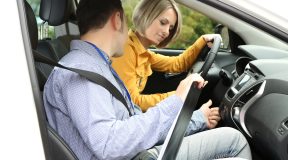
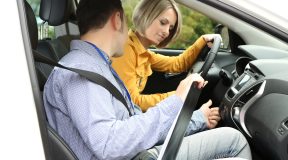
Driving is a skill that many of us acquire early in life, yet it’s an activity that demands continual attention, practice, and awareness. Whether you’re a seasoned driver or a new one behind the wheel, the ability to drive safely and efficiently is paramount not only for your own well-being but also for the safety of others on the road. While driving may seem like a routine task, there are numerous driving tips that can make a significant difference in terms of safety, fuel efficiency, and overall driving enjoyment. In this article, we will explore a range of practical driving tips—ranging from basic techniques to advanced strategies—that every driver should consider in order to enhance their driving experience.
1. Prioritize Safety with Defensive Driving
The cornerstone of safe driving is defensive driving, which involves anticipating potential hazards and responding proactively to the behaviors of other drivers. While it’s impossible to predict every situation, adopting a defensive mindset can go a long way in preventing accidents.
A key component of defensive driving is maintaining a safe following distance from the vehicle in front of you. The general rule of thumb is the “three-second rule,” which suggests keeping a distance that allows you at least three seconds to react if the car in front of you suddenly stops or slows down. This distance should be increased in inclement weather or heavy traffic conditions.
Additionally, always be aware of your surroundings. Check mirrors frequently, use turn signals when changing lanes, and avoid distractions such as texting or fiddling with the radio while driving. By staying focused and vigilant, you can react more quickly to unexpected situations and reduce the likelihood of a collision.
2. Master Smooth Acceleration and Braking
Many drivers tend to jerk the accelerator or brake harshly when driving, either out of habit or impatience. This not only leads to discomfort but also puts unnecessary strain on your vehicle’s components, such as the brakes and the transmission. Smooth acceleration and braking, on the other hand, ensure a more comfortable ride, better fuel efficiency, and less wear on your car.
When accelerating, apply gradual pressure to the gas pedal to smoothly increase your speed. Similarly, when braking, ease your foot off the accelerator early and apply the brake gently, ensuring a controlled stop. This technique can be especially beneficial in stop-and-go traffic, where abrupt starts and stops can be both uncomfortable and inefficient.
By mastering smooth acceleration and braking, you not only improve the comfort of your passengers but also increase the longevity of your vehicle.
3. Understand the Importance of Proper Tire Maintenance
The tires are the only part of your vehicle that makes direct contact with the road, which makes them an essential element of driving safety. Ensuring your tires are properly inflated and well-maintained is crucial for optimal driving performance.
Under-inflated tires can decrease fuel efficiency, reduce braking ability, and increase the likelihood of tire blowouts. Over-inflated tires, on the other hand, can result in poor traction and an uncomfortable ride. To ensure the proper tire pressure, check your tires regularly—especially before long road trips—and adjust them according to the manufacturer’s recommendations, which can usually be found in the owner’s manual or on the side of the tire.
Equally important is the condition of the tires themselves. Regularly inspect your tires for signs of wear and tear, such as bulges, punctures, or uneven tread patterns. If your tires are worn out, replacing them promptly will not only ensure better performance but also improve your car’s handling and safety on the road.
4. Adapt to Weather Conditions
Weather conditions can dramatically impact driving conditions, and it’s essential to adjust your driving style accordingly. Whether it’s rain, snow, fog, or ice, each type of weather demands a different approach to driving.

In wet conditions, reduce your speed and maintain a greater following distance to allow for longer braking distances. Hydroplaning, which occurs when your tires lose contact with the road due to water, is a significant risk in heavy rain. To avoid hydroplaning, avoid sharp turns or sudden braking, and always drive at a reduced speed.
In snowy or icy conditions, the risk of losing control of your vehicle is much higher. Make sure your tires are equipped for winter weather, and if you live in an area prone to snow and ice, consider using snow chains when necessary. When driving in such conditions, accelerate and decelerate gently, and use brakes with extra caution. If you’re unsure of your vehicle’s capabilities in severe weather, it’s best to avoid driving until conditions improve.
Foggy conditions require particularly slow and cautious driving. Use your fog lights (if equipped) or low-beam headlights, as high beams can reflect off the fog and make visibility worse. Keep your speed well below the posted limit and, if visibility becomes too poor, pull over safely to wait until conditions improve.
5. Use Your Vehicle’s Technology to Your Advantage
Modern vehicles are equipped with an array of technological features designed to enhance both safety and convenience. Features such as lane departure warnings, adaptive cruise control, and automatic emergency braking can provide extra protection on the road. However, while these technologies are incredibly helpful, they should never replace your attentiveness behind the wheel.
For example, adaptive cruise control can help maintain a steady speed while adjusting to traffic conditions. However, it’s still important to stay alert and ready to take control of the vehicle if the situation requires it. Similarly, parking sensors and rear-view cameras can assist with parking, but it’s still crucial to double-check your surroundings manually before backing out.
Make it a habit to familiarize yourself with the technology your vehicle offers and use it to your advantage, but never rely solely on it.
6. Stay Calm in Traffic and Avoid Road Rage
In today’s fast-paced world, driving can often be a source of frustration—especially when stuck in heavy traffic or behind slow drivers. However, one of the most essential driving tips is learning to stay calm and avoid road rage.
Aggressive driving behaviors, such as tailgating, speeding, or making rude gestures, not only put you at risk of a traffic violation but also endanger everyone on the road. Instead, try to remain patient and composed. If you find yourself feeling frustrated, take deep breaths and remember that arriving safely is more important than arriving quickly. If you’re running late, leave yourself more time to account for potential delays.
By keeping your emotions in check, you reduce your risk of accidents and contribute to a more peaceful driving environment for everyone.
7. Plan Your Route and Use Navigation Wisely
Whether you’re commuting to work or embarking on a road trip, planning your route in advance can save you time, fuel, and stress. In the age of smartphones and GPS devices, navigating unfamiliar areas is easier than ever, but it’s still important to account for potential traffic delays, road closures, or detours.
Use navigation apps that provide real-time traffic updates, and consider alternative routes to avoid bottlenecks. Planning ahead also means taking breaks during long drives to stay alert and prevent fatigue.
If you find yourself getting lost, don’t panic—pull over safely and check your map or GPS for the best course of action. It’s always better to take a few extra minutes to reorient yourself than to continue driving in the wrong direction.
Conclusion: Driving is a Skill That Requires Ongoing Attention
While driving is an activity that many of us do on autopilot, it is one that requires ongoing attention and mindfulness. By incorporating these driving tips—whether it’s mastering defensive driving, adjusting to weather conditions, or utilizing technology wisely—you can become a safer, more efficient driver. Ultimately, driving is not just about getting from one place to another; it’s about making the journey as smooth, enjoyable, and safe as possible for you, your passengers, and everyone else on the road. Safe driving is not just a responsibility; it’s an art that, when mastered, benefits both the driver and the wider community.