The automotive industry has long been a cornerstone of economic activity worldwide, with car dealers playing a pivotal role in connecting manufacturers to consumers. Yet, as consumer preferences evolve and technology advances, the role of the car dealer has become increasingly complex. From traditional showrooms to the rise of online car sales, the car dealer of today must be adaptable, resourceful, and highly attuned to the ever-changing landscape of the automotive market.
The Traditional Car Dealership: A Historical Perspective
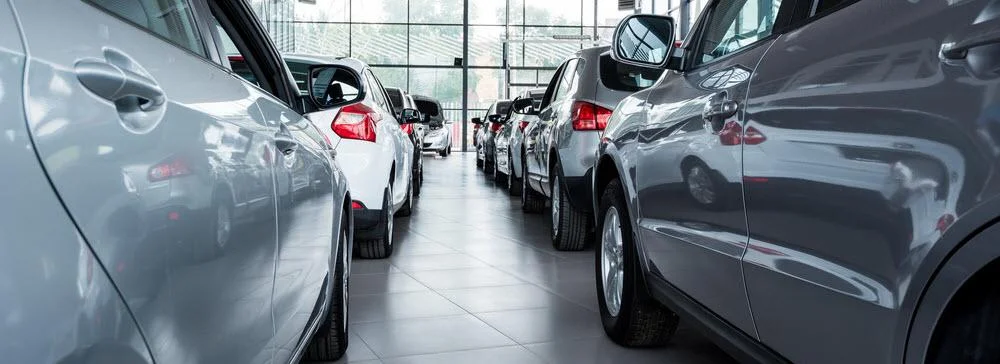
For decades, the car dealership was a staple of the automotive sales experience. In the early days of the automobile, dealerships were small, often family-owned businesses that provided a local point of contact for vehicle buyers. The showroom, complete with polished cars lined up for display, was a place where customers could touch, feel, and test drive vehicles before making a decision. Salespeople, often experts in their brands, played an instrumental role in guiding buyers through the purchase process, offering personalized advice, and negotiating deals.
In this traditional setting, the dealer’s success was largely dependent on physical location, inventory management, and customer service. Dealerships had to stock a variety of models to cater to a broad spectrum of consumers, from budget-conscious buyers to those seeking luxury vehicles. Additionally, the in-person nature of sales meant that building rapport and establishing trust with customers was critical. Word-of-mouth referrals and repeat customers often formed the backbone of a dealership’s business.
The Shift to Digital: Adapting to a Tech-Driven Marketplace
The advent of the internet revolutionized almost every aspect of modern commerce, and the car dealership was no exception. Online research, virtual showrooms, and digital marketing have become essential tools for today’s car dealers. No longer do consumers rely solely on in-person visits to dealerships to gather information; instead, they can browse models, compare prices, and even schedule test drives from the comfort of their own homes.
This digital transformation has forced traditional dealerships to rethink their sales strategies. Online presence is no longer optional—it’s an imperative. Websites must be user-friendly, mobile-responsive, and rich with detailed information about vehicles, financing options, and promotions. Moreover, car dealers are increasingly using social media platforms and digital advertising to attract a wider audience, engage with customers in real-time, and foster brand loyalty.
In this new environment, dealers must provide a seamless omnichannel experience, where online interactions translate smoothly into offline visits and vice versa. A potential customer might begin their journey by browsing an online inventory, contact a salesperson via chat, and then schedule a test drive. In some cases, they may even complete their entire purchase online, with the option of home delivery or pickup at the dealership. This shift has created new challenges for car dealers, who now face competition from online-only platforms like Carvana and Vroom, which offer convenience and transparency without the need for traditional brick-and-mortar operations.
The Changing Consumer: Expectations and Preferences
Another factor influencing the modern car dealership is the evolving consumer. In the past, car buyers often valued the negotiation process and took pride in securing a “good deal.” Today’s consumers, however, tend to be more informed and less inclined to engage in the haggling process. They value transparency, ease of use, and quick access to information, and they expect a more straightforward buying experience.
Furthermore, millennials and Generation Z are now becoming dominant demographics in the car-buying market. These younger buyers are not only tech-savvy but also more focused on sustainability and environmental impact. As a result, many are gravitating toward electric vehicles (EVs), hybrid models, and other eco-friendly options. Car dealerships, therefore, must be prepared to offer a diverse inventory of vehicles that align with the evolving values of their customers, as well as educate buyers about new technologies such as autonomous driving, advanced safety features, and electric powertrains.
The growing importance of convenience is another factor shaping the modern car-buying experience. Many buyers now prefer to complete as much of the process as possible online, whether it’s getting pre-approved for financing, reading reviews, or viewing detailed vehicle specifications. This demand for a more streamlined process has prompted dealerships to invest in digital tools like virtual car tours, interactive configurators, and online trade-in assessments to better cater to their customers’ preferences.
A New Era of Customer Service: Building Relationships in the Digital Age
Despite the rise of digital platforms and online sales, car dealerships remain places where relationships are paramount. Even in a world increasingly dominated by technology, the human element continues to play a vital role in the car-buying process. Personalized service, expert advice, and a deep understanding of customer needs can make a significant difference in a competitive market.
For instance, a knowledgeable salesperson can walk a customer through the features of a vehicle, offer advice based on the customer’s lifestyle, and even assist with financing options. In fact, many successful dealerships now place an emphasis on building long-term relationships with their customers, rather than focusing solely on the initial sale. This approach fosters customer loyalty, increasing the likelihood of repeat business and referrals.
In an increasingly connected world, building relationships doesn’t stop at the sale. Modern car dealers are using customer relationship management (CRM) tools to stay in touch with buyers, offering service reminders, promotional offers, and personalized follow-ups. This kind of proactive engagement not only strengthens the dealership’s relationship with its customers but also positions the dealer as a trusted resource throughout the ownership lifecycle.
The Role of After-Sales: Service and Maintenance as Key Differentiators
One area where car dealerships continue to hold a competitive advantage over online-only platforms is in after-sales services. While online services like Carvana and Vroom may provide convenient delivery options, they cannot match the in-person service and maintenance offerings of a traditional dealership. A well-established dealership often has a dedicated service department that can handle repairs, maintenance, and warranties, ensuring that customers’ vehicles remain in top condition long after the purchase.
Moreover, many dealerships are expanding their service offerings to include additional amenities, such as loaner cars, complimentary car washes, and even concierge services. By providing a full suite of after-sales services, dealerships can differentiate themselves from the competition and cultivate customer loyalty.
The Future of the Car Dealership: Embracing Innovation
Looking to the future, car dealers must remain agile and embrace the ongoing evolution of the automotive landscape. The continued rise of electric vehicles, for instance, will require dealers to not only stock and sell EVs but also offer the necessary expertise on charging infrastructure, battery life, and government incentives. The advent of autonomous vehicles, while still years away from widespread adoption, will undoubtedly require a shift in dealership models as well, with new service offerings and a focus on cutting-edge technologies.
In addition, the global shift toward sustainability and carbon neutrality will likely influence dealership practices. From offering more environmentally friendly vehicles to adopting greener business practices, the car dealer of tomorrow will need to be as much an advocate for sustainability as a seller of vehicles.
Conclusion: The Road Ahead for Car Dealers
The car dealership industry has undergone significant change, from the traditional showroom model to the embrace of digital sales platforms and evolving customer expectations. Despite the challenges posed by online competitors and changing consumer behaviors, the core values of customer service, expertise, and relationship-building remain essential to success. By adapting to technological advancements, staying attuned to market trends, and offering exceptional after-sales service, car dealers can navigate the road ahead and continue to thrive in an increasingly competitive and dynamic marketplace. The modern car dealership, far from being a relic of the past, is poised to remain an integral part of the automotive ecosystem for years to come.